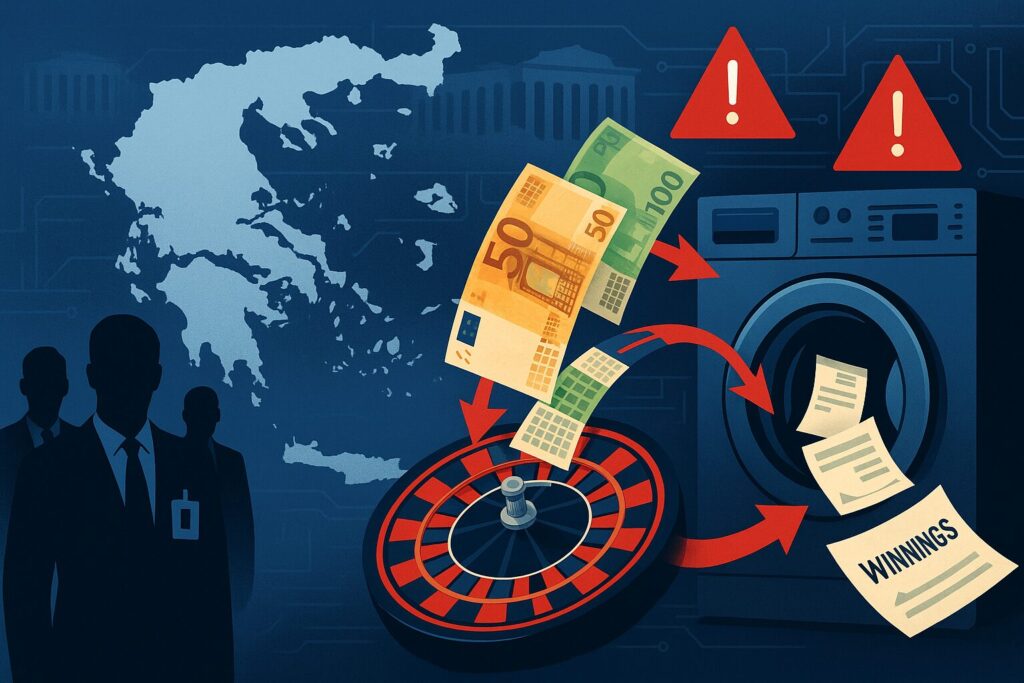
Greece’s Gambling Crackdown: How New Compliance Rules Reshape
The Regulatory Storm Brewing in Mediterranean Waters
Greece’s gambling landscape is undergoing its most dramatic transformation since the country legalized online gaming in 2019. The Hellenic Gaming Commission (HGC) has announced a 340% increase in compliance audits for 2026, targeting both domestic and international operators with unprecedented scrutiny. This regulatory blitz isn’t just bureaucratic posturing—it’s a calculated response to mounting pressure from the European Union and concerns over money laundering that cost the Greek economy an estimated €2.8 billion in 2025.
The intensified oversight affects every corner of the gambling ecosystem, from traditional slot machines in Athens casinos to online platforms serving Greek players. International operators like Bizzo and other licensed platforms now face monthly compliance reports instead of quarterly ones, while domestic operators must submit weekly financial statements detailing player deposits, withdrawals, and bonus distributions.
What makes this crackdown particularly significant is its timing. Greece’s gambling revenue reached €1.2 billion in 2025, representing a 23% year-over-year increase, making it the fastest-growing regulated market in Southern Europe. Yet this growth has come with growing pains that regulators are now aggressively addressing.
Following the Money Trail: Anti-Laundering Measures Take Center Stage
The catalyst for Greece’s compliance offensive traces back to a damning 2025 Financial Action Task Force (FATF) report that identified Greek gambling operators as “high-risk vectors” for money laundering activities. The report highlighted cases where criminal organizations used online slots and sports betting platforms to clean approximately €180 million in illicit funds over an 18-month period.
“We’ve seen sophisticated schemes where criminals would deposit dirty money, play high-volatility slots for minimal time to create a paper trail, then withdraw ‘winnings’ as clean funds,” explains Dr. Maria Konstantinou, Director of Financial Intelligence at the Bank of Greece. “The new compliance framework requires operators to flag any player whose betting patterns deviate from established norms, particularly those making large deposits followed by immediate withdrawals.”
The enhanced anti-money laundering (AML) protocols now mandate real-time transaction monitoring for all deposits exceeding €500, compared to the previous €2,000 threshold. Operators must also implement advanced player profiling systems that track betting patterns, session durations, and game preferences to identify suspicious activity.
The Technology Arms Race: How Operators Are Adapting
Greek gambling operators are investing heavily in compliance technology to meet the new regulatory demands. Industry data shows that licensed operators collectively spent €47 million on compliance systems in 2025, with projections indicating this figure will double in 2026.
The most significant technological advancement is the implementation of AI-powered behavioral analysis systems. These platforms monitor millions of gambling transactions daily, flagging anomalies that human auditors might miss. For instance, if a player typically spins low-stakes slots but suddenly starts making maximum bets on high-volatility games, the system triggers an immediate review.
“The old approach of manual transaction reviews was like using a magnifying glass to examine an ocean,” notes Andreas Papadopoulos, Chief Compliance Officer at a major Greek operator. “These new AI systems can process 50,000 transactions per second and identify patterns that would take human analysts weeks to detect. It’s not just about meeting regulatory requirements—it’s about protecting the integrity of our entire industry.”
Mobile gambling platforms face additional scrutiny, as regulators recognize that smartphone-based gaming presents unique challenges for monitoring player behavior. New rules require geolocation verification every 30 minutes during active play sessions, ensuring players remain within Greek territorial boundaries.
International Operators Navigate the Compliance Maze
Foreign gambling companies serving Greek players find themselves caught between their home country regulations and Greece’s increasingly stringent requirements. The situation is particularly complex for operators licensed in Malta, Gibraltar, or other EU jurisdictions who must now satisfy dual regulatory frameworks.
The compliance burden has forced some smaller international operators to exit the Greek market entirely. Industry analysis reveals that 12 licensed operators surrendered their Greek licenses in late 2025 rather than invest in the required compliance infrastructure. This market consolidation has benefited larger, well-capitalized operators who can absorb the additional regulatory costs.
Cross-border data sharing requirements present another challenge. Greek authorities now require real-time access to player databases, transaction logs, and game outcome records—data that some operators previously kept exclusively in their home jurisdictions. This has sparked heated debates about data sovereignty and player privacy rights.
The Slot Machine Paradox: Balancing Entertainment and Oversight
Online slots represent the largest segment of Greece’s gambling market, accounting for 67% of total gaming revenue in 2025. However, these games also present the greatest compliance challenges due to their rapid-fire nature and the difficulty of monitoring thousands of simultaneous players.
The new regulations require slot operators to maintain detailed logs of every spin, including bet amounts, outcomes, and the specific random number generator seeds used. This data must be preserved for seven years and made available to regulators within 24 hours of any formal request. For operators running hundreds of slot titles with millions of daily spins, this represents a massive data management challenge.
Volatility-based compliance measures add another layer of complexity. High-volatility slots, which can produce large wins from small bets, now trigger automatic reviews when payouts exceed 1,000x the initial stake. Medium and low-volatility games face similar scrutiny for unusual payout patterns, forcing operators to justify their random number generation algorithms and payout percentages.
Economic Ripple Effects Across the Gaming Ecosystem
Greece’s compliance crackdown is reshaping the country’s gambling economy in unexpected ways. Compliance costs now represent an average of 8.3% of gross gaming revenue for licensed operators, compared to just 2.1% in 2023. This dramatic increase is forcing companies to reevaluate their business models and pricing strategies.
The regulatory pressure has created a booming compliance consulting industry. Specialized firms offering regulatory advisory services have seen their client bases grow by 190% since early 2025, with many charging premium rates for expertise in navigating Greece’s complex regulatory environment.
Employment in the gambling sector tells a mixed story. While traditional gaming roles have remained stable, demand for compliance officers, data analysts, and regulatory specialists has skyrocketed. Industry reports indicate that compliance-related positions now account for 23% of all gambling sector job postings in Greece, up from just 8% two years ago.
Player Protection Measures Gain Unprecedented Teeth
Beyond anti-money laundering efforts, Greece’s enhanced compliance framework includes robust player protection measures that set new standards for responsible gambling. The new rules mandate cooling-off periods for players who exceed predetermined spending thresholds, with automatic account suspensions triggered by algorithm-detected problem gambling behaviors.
Real-time spending alerts now activate when players exceed 2% of their declared monthly income in gambling activities within any seven-day period. These alerts aren’t merely informational—they require players to confirm their intent to continue gambling and provide justification for their spending patterns.
The most controversial aspect of the new player protection rules involves mandatory financial health checks for high-value players. Anyone depositing more than €10,000 monthly must provide proof of income and undergo a financial stability assessment. Critics argue this intrusion violates player privacy, while regulators maintain it’s essential for preventing gambling-related financial harm.
Looking Ahead: The Future of Greek Gambling Regulation
Greece’s aggressive compliance stance is likely to influence gambling regulation across Europe. The European Gaming and Betting Association has already indicated that similar measures may be adopted in other EU member states, potentially creating a harmonized regulatory framework for cross-border operators.
The economic implications extend beyond Greece’s borders. International gambling companies are reassessing their European expansion strategies, with many viewing Greece’s regulatory environment as a preview of future compliance requirements across the continent. This has led to increased investment in compliance technology and regulatory expertise among major operators.
For players, the enhanced oversight promises greater protection against fraudulent operators and improved safeguards against problem gambling. However, it also means more intrusive monitoring and potentially higher costs as operators pass compliance expenses to consumers through adjusted odds and reduced promotional offers.
The success of Greece’s compliance initiative will likely determine whether other European nations follow suit with similarly aggressive regulatory measures. Early indicators suggest the approach is working—money laundering reports related to gambling activities dropped by 34% in the final quarter of 2025, while player complaints about unfair gaming practices fell by 28% over the same period.